

Master's Degree in Food Fermentation
Master's Degree in Food Fermentation
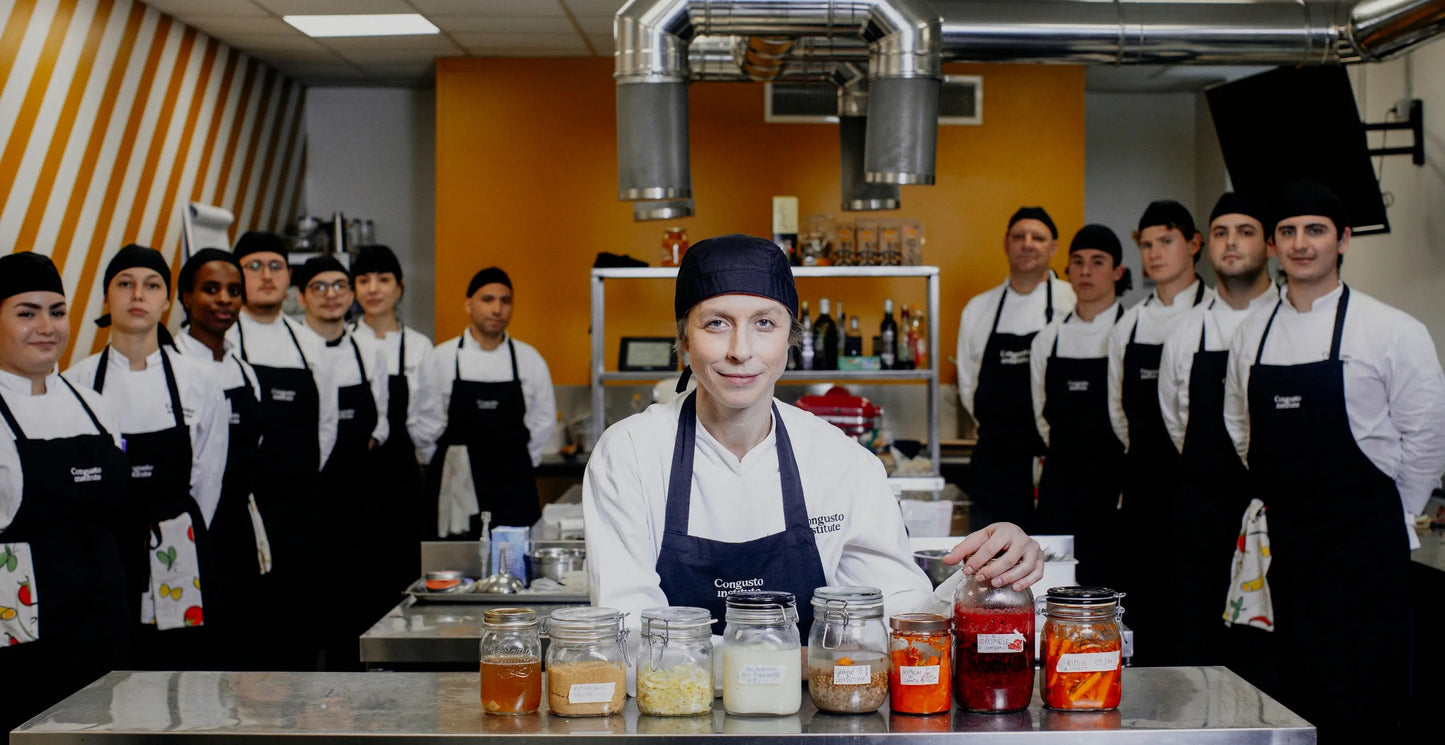
The First Master's Degree in Fermentation is an intensive course dedicated to ancestral techniques applied to contemporary cuisine, combining theory, practice, and guided tastings.
| Typology | Intensive Master |
|---|---|
| Duration | 4 days (2+2 over two non-consecutive weeks) |
| Period | October 5–9 + October 26–30, 2026 |
| Opening hours | 3:00 PM – 5:00 PM |
| Attendance | Afternoon |
| Teaching method | Theory + hands-on practice + tastings |
| Number of seats | Max 12 participants |
| Target | Professionals and advanced profiles |
| Language | Italian |
| Note: The master's program is structured into two non-consecutive intensive modules and includes practical activities, tastings, and professional management of fermentation processes applied to cooking. | |
Couldn't load pickup availability
Master's Program in Food Fermentation
TheMaster in Food FermentationIt is designed for those who want to truly understand how fermentations work in the kitchen and use them consciously, creatively, and safely.
A practical, concrete path that can be applied immediately.
Aimed atprofessionalsAndto those who have a structured training in cooking.
Day 1 – Basic lactic fermentation and fundamentals
We start with the basics. No shortcuts.
Introduction to food fermentation:
scientific principles, safety, management of raw materials and equipment.
Lactic fermentations applied to cooking:
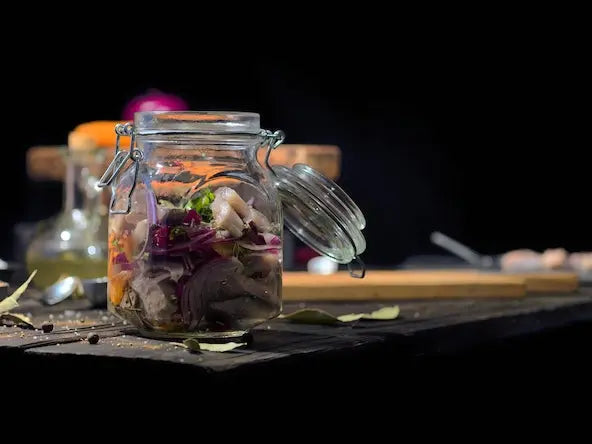
- Sauerkraut: traditional technique, fermentation control, creative variations
- Vegetable Torshi: Middle Eastern fermentations and practical uses in dishes
- Fermented cashew cream: base for sauces, dressings and vegetable cheeses
Introduction to seasoning, drying and customization
Day 2 – Kefir, alcoholic fermentations and marinades
Liquid fermentations and enzymatic transformations.
- Milk kefir: management of the mother culture, production cycles and use in the kitchen
Applications in marinades, desserts and baking - Shio koji: enzymatic marinade for meat
- Alcoholic fermentation: production of fruit cider and mead
- Comparative tasting andsensory analysis
Day 3 – Advanced Fermentations
More complex techniques, professional approach.
- Tempeh: fungal fermentation, alternative substrates, protein applications
- Quick Miso: accelerated version for immediate use in the kitchen
- Natto: alternative fermentation and nutritional value
- Practical test of marinating meat withRipe shio koji
Day 4 – Vinegar and vinegars
From acetic control to brigade management.
- Fruit vinegar: traditional production, management and protein applications
- Honey vinegar: accelerated version for quick use
- Kombucha: SCOBY management, first and second fermentation, flavorings
- Master's conclusion:
Final tastings, storage, management of fermentations in the kitchen, frequent problems and solutions
What participants take home
- Culture starters (kefir and kombucha SCOBY)
- Professional recipe book with technical sheets
- Preparations made during the course
- Certificate of participation
Teacher
The master is held byManuela Vanni,
Science journalist and author specializing in fermentation, food techniques, and food culture.
He collaborated in the Italian translation ofNoma: The Guide to Fermentationand published numerous books dedicated to fermented foods, vinegars, cheeses and sustainable cooking for Giunti, Demetra and Italian Gourmet.
Condividi